Conquer the Mighty Summit of Himachal Pradesh
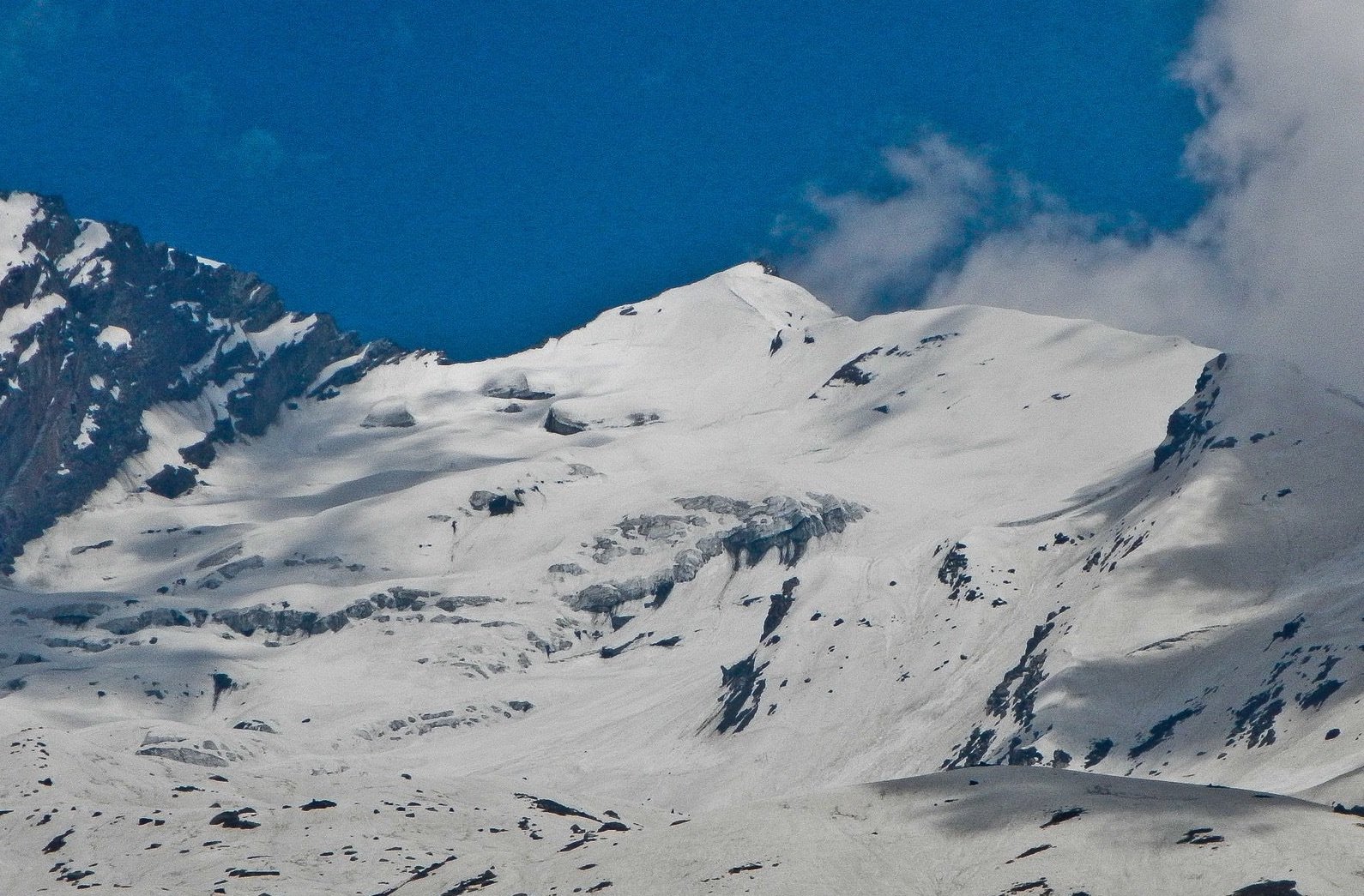
The Friendship Peak Expedition is one of the most thrilling high-altitude adventures in Himachal Pradesh, designed for trekkers ready to step up into mountaineering. Standing tall at 17,000 ft (5,289 m), this expedition offers an incredible mix of adventure, technical climbing, and awe-inspiring Himalayan views.
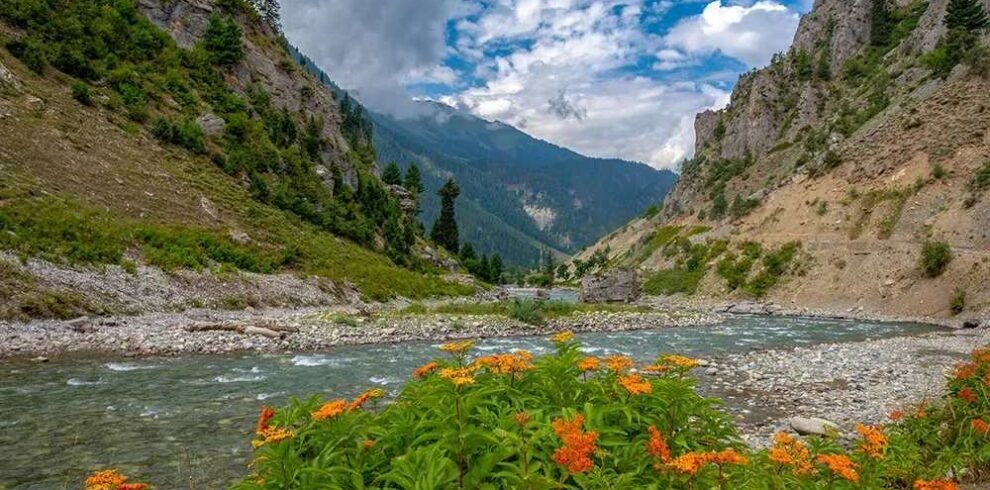
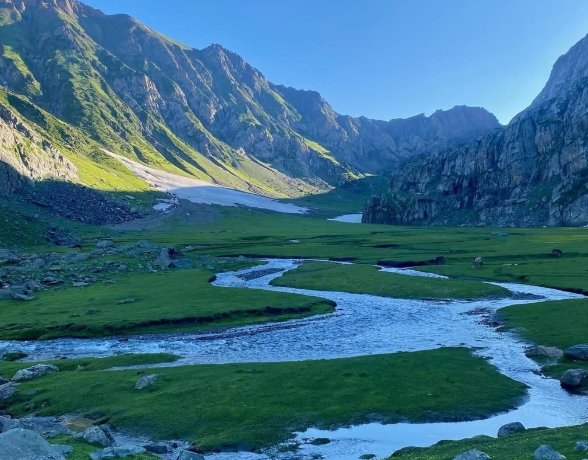
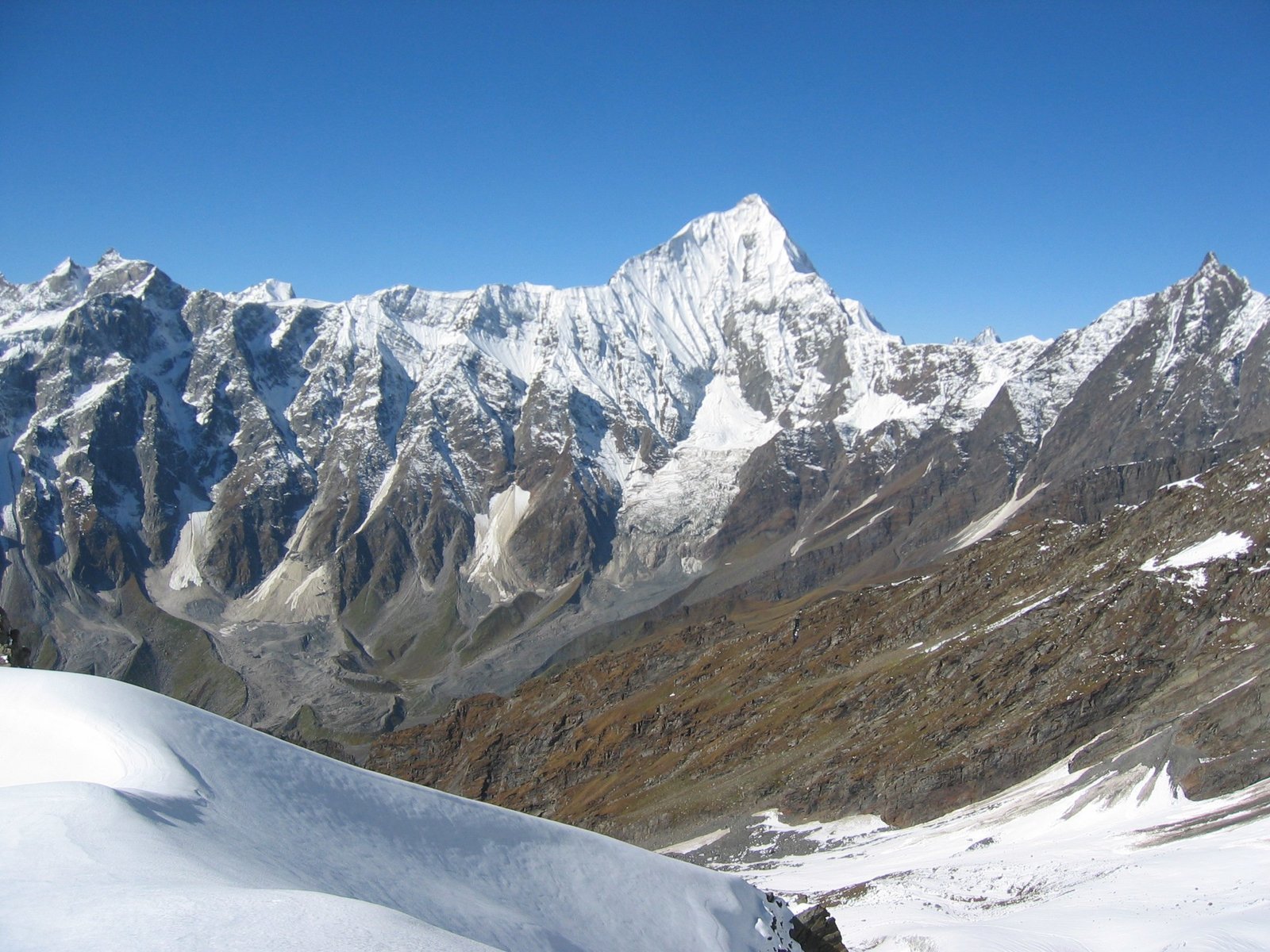
Located in the picturesque Kullu Valley, Friendship Peak lies between the Pir Panjal and Dhauladhar ranges. The trek begins from Solang Valley and takes you through lush alpine meadows, dense forests of oak and deodar, and onto snowfields and glaciers that challenge your endurance and technique.
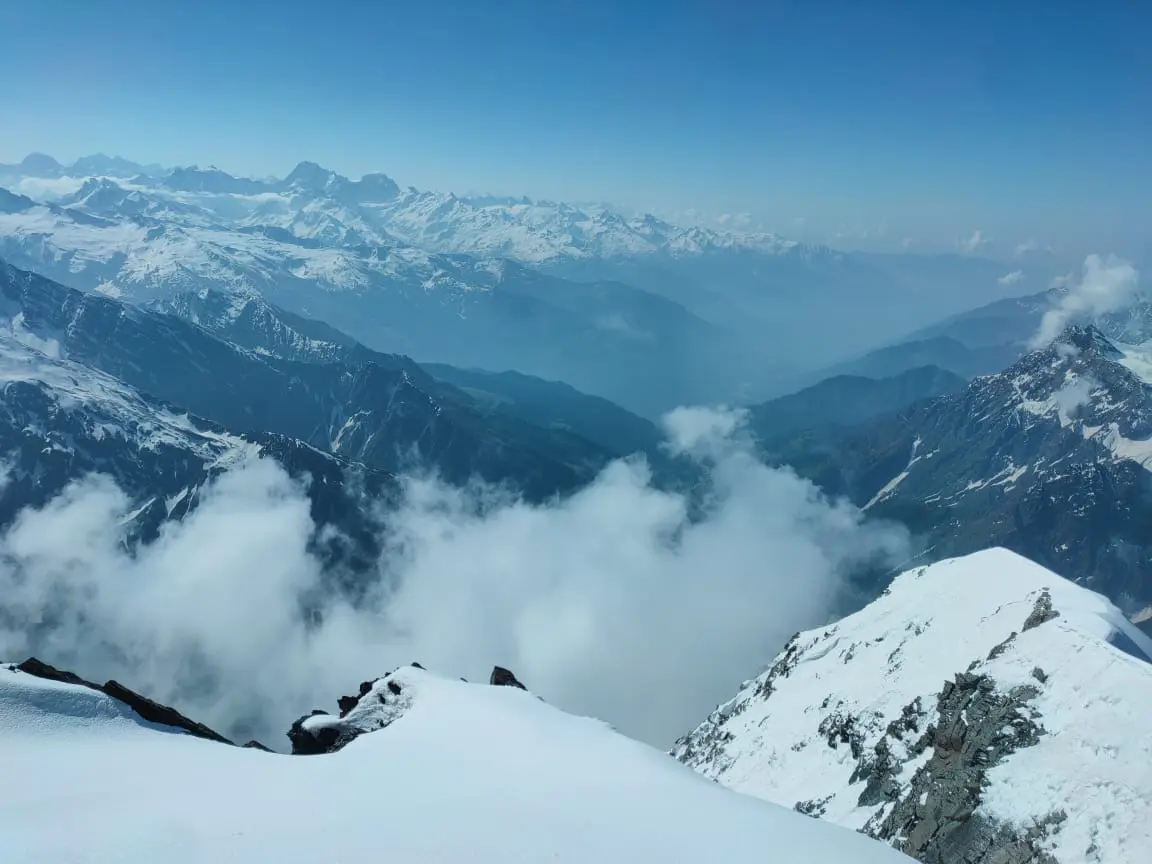
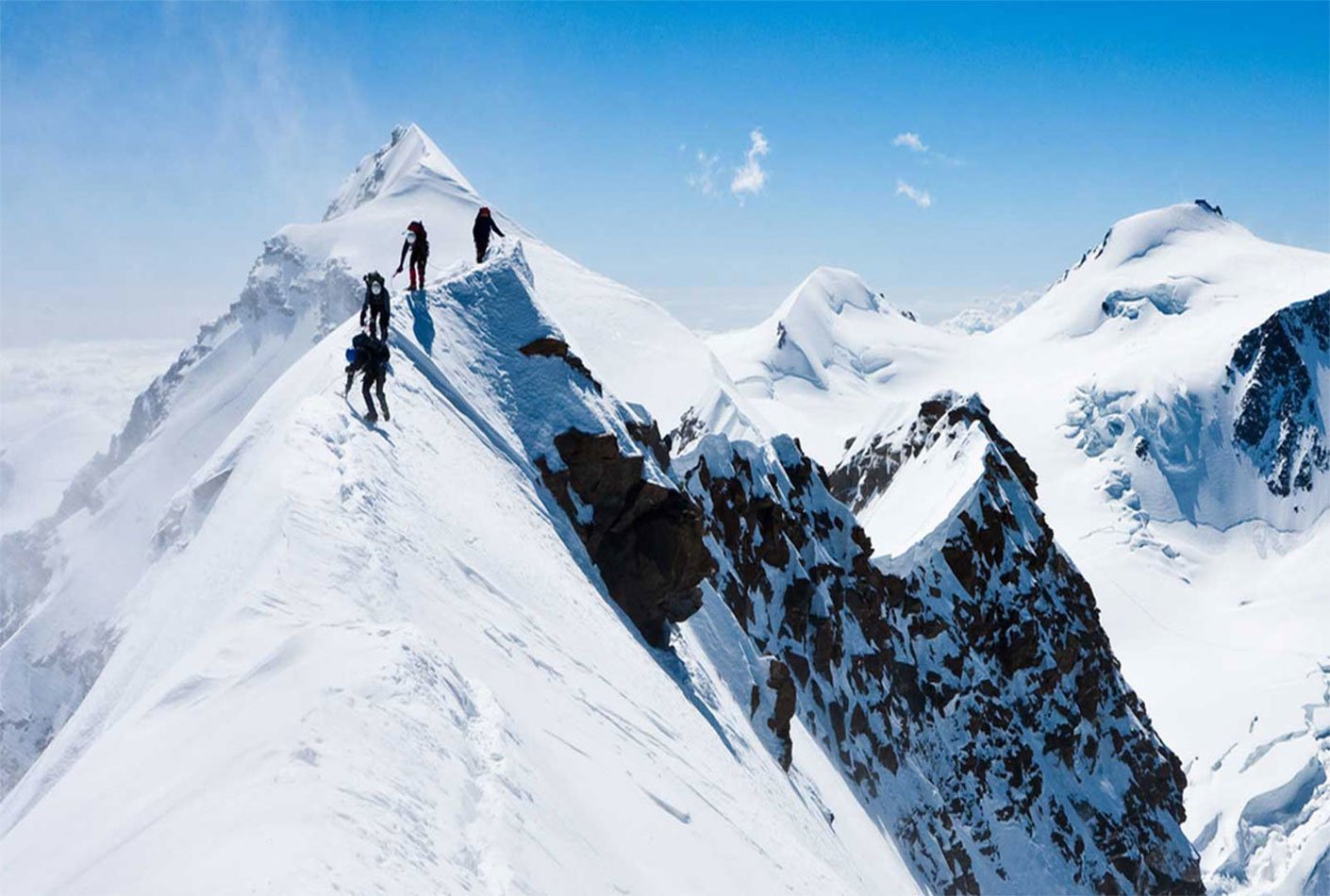
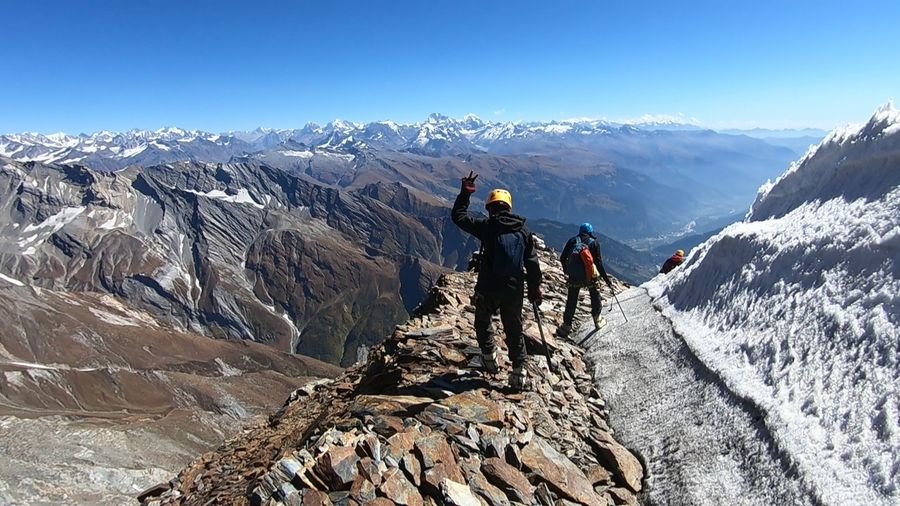
As you climb higher, you are greeted by stunning panoramas of Hanuman Tibba, Indrasan, Deo Tibba, and Shitidhar. The summit offers a 360° view of snow-draped Himalayan peaks — a sight that rewards every ounce of effort. The early morning summit push at around 2 A.M. is the most exhilarating part of the climb, where you ascend beneath a starlit sky to witness a breathtaking sunrise from the top.
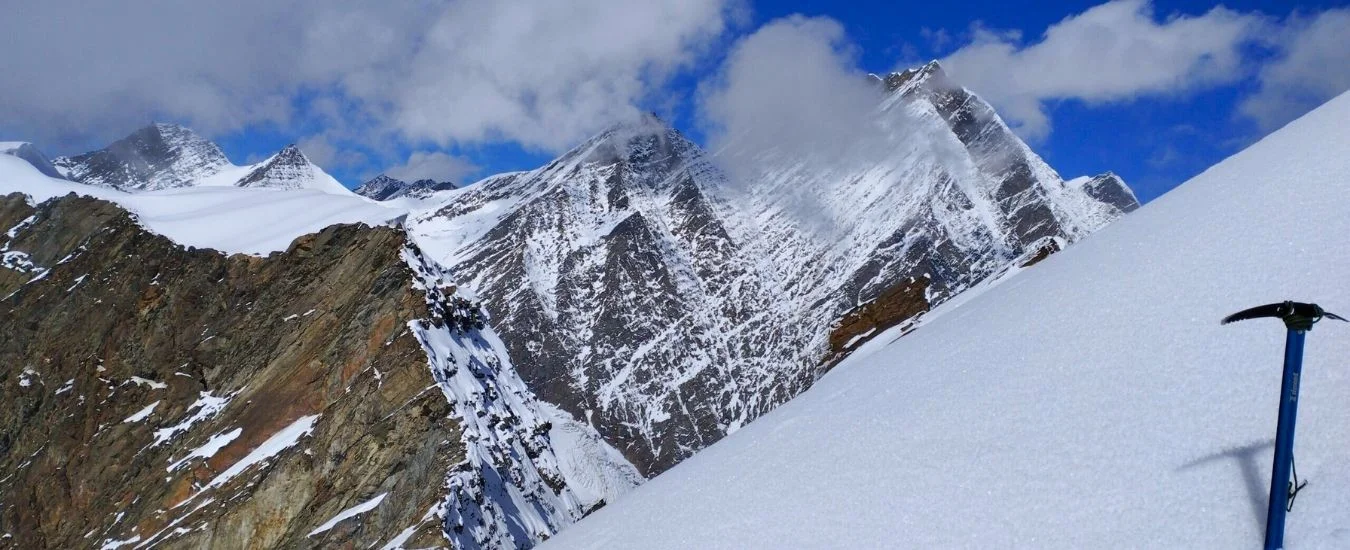
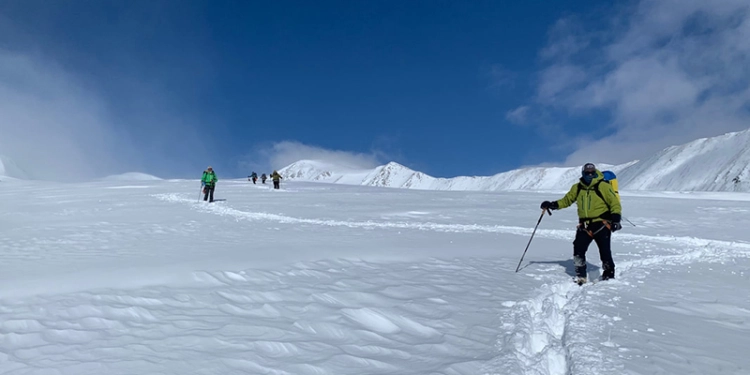
This expedition bridges the gap between high-altitude trekking and mountaineering. It requires the use of technical gear like ice axes, crampons, and ropes, and demands teamwork, stamina, and mental strength. With proper guidance and fitness, trekkers can successfully transition into the world of mountaineering through this expedition.
Region: Kullu Valley, Himachal Pradesh
Maximum Altitude: 17,000 ft (5,289 m)
Duration: 8 Days / 7 Nights
Grade: Difficult (requires prior high-altitude experience)
Best Season: July to August
During these months, the weather remains stable, snow conditions are ideal, and the route is clear. The experience includes everything — from glacial crossings to steep summit ascents and peaceful camping amidst nature’s raw beauty.
For those seeking the true spirit of the Himalayas — endurance, teamwork, and breathtaking adventure — the Friendship Peak Expedition is your ultimate challenge and reward rolled into one unforgettable experience.
Friendship Peak Expedition Itinerary
Arrive in Manali and check into the hotel (twin/triple sharing). Meals not included today.
Attend the trek briefing, paperwork, and medical check-up session.
Explore Hadimba Temple, Vashisht Kund, and the local Manali market.
Overnight stay in hotel to acclimatize to mountain conditions.
Drive 21 km (1.5 hrs) to Dhundi, then trek 5 km (3–4 hrs) to Bakarthach.
The trail follows the Beas River through pine and walnut forests to lush meadows.
Lunch at campsite followed by an acclimatization walk.
Overnight stay in tents at Bakarthach.
Trek 3 km (3–4 hrs) uphill to Advanced Base Camp (Lady Leg).
Enjoy breathtaking views of Deo Tibba, Indrasan & Dhauladhar ranges.
Learn basic mountaineering techniques: ropes, ice axe, and crampon use.
Overnight camping at Lady Leg.
Carry partial load to Summit Camp and return – “climb high, sleep low” for better acclimatization.
Witness majestic views of Friendship Peak, Hanuman Tibba, and Priyadarshini Peak.
Return to Lady Leg campsite for dinner and rest.
Short 2 km trek to reach Summit Camp (3 hrs). Prepare for summit attempt.
Technical training: rope management, ice axe, and glacier walking practice.
Hydrate well and rest for early morning summit push.
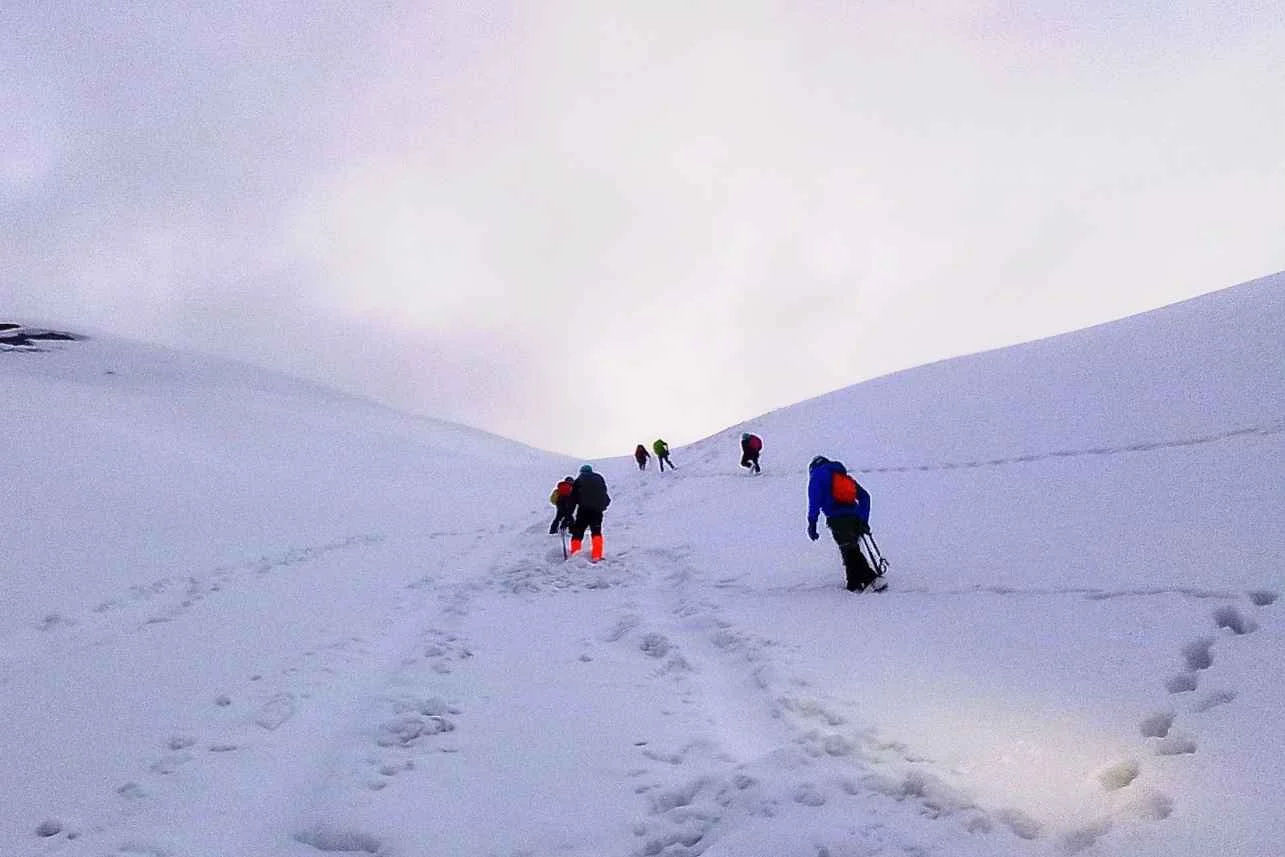
Start at 2 AM with headlamps for the summit attempt — the toughest yet most rewarding part.
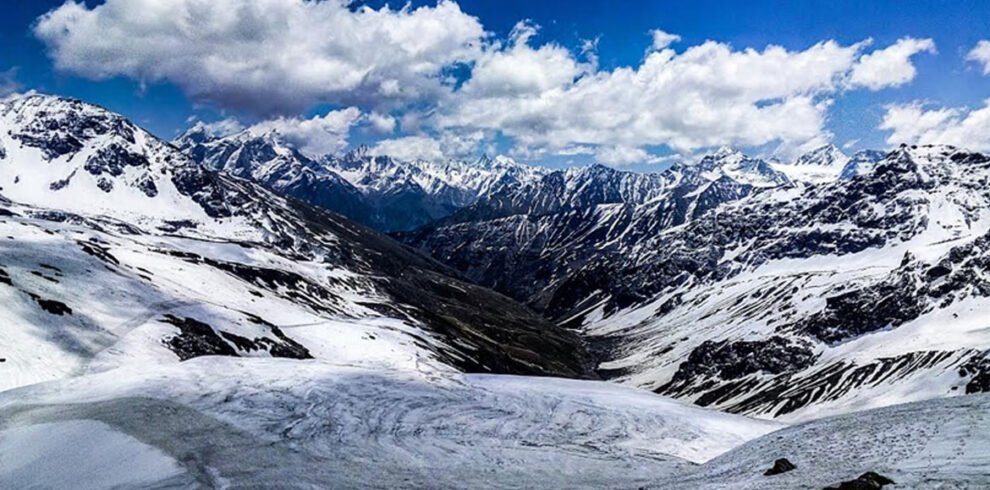
Traverse glaciers, ice walls, and steep snow slopes using fixed ropes.
Enjoy 360° Himalayan views of Deo Tibba, Hanuman Tibba & Indrasan from the summit.
Descend carefully to Lady Leg campsite by late morning. Overnight in tents.
Descend 8 km (4–5 hrs) to Dhundi, then drive 21 km (1.5 hrs) to Manali.
Lunch served before departure. Trip ends on arrival in Manali (stay not included).
Reserved for delays due to bad weather or extra acclimatization.
If unused, trekkers can explore Manali (self-funded sightseeing).
Additional buffer cost is applicable if the day is used.
Friendship Peak Expedition Cost Details
- Stay: 1 Night at Manali on twin/triple sharing & 5 Nights tented accommodation at individual campsites.
- Meals: Freshly cooked vegetarian meals from Lunch (Day 2) to Lunch (Day 7).
- Trek Insurance (Optional): Recommended for all trekkers. Coverage starts from ₹210.
- Trek Equipment: Sleeping bags, tents, kitchen tent, dining tent, toilet tent.
- Amenities: Utensils, sleeping mattresses, crampons, gaiters for snow.
- Health & Safety: First Aid Box, Oxygen Cylinders, Stretchers, Oximeters, BP Machines.
- Permits: Forest permits and camping permissions included.
- Trek Crew: Experienced trek leaders, guides, chefs, helpers, and support staff.
- Porters & Mules: For carrying trekking equipment, ration, and supplies.
- 5% GST (Mandatory).
- Meals or accommodation not mentioned in the itinerary.
- Transport (Bus/Airfare) to and from trek start/end point.
- Personal medical expenses — carry your prescribed medication.
- Personal services like laundry, phone calls, beverages, etc.
- Camera/Video fees at monuments or monasteries.
- Entrance fees to temples, museums, or parks.
- Backpack Offloading: ₹2,100 per bag (online), may increase up to 30% at base camp.
- Weight limit: Max 10 kg per bag for offloading.
- Emergency evacuation charges (if any).
- Anything not mentioned under “Cost Inclusions”.
Frequently Asked Questions
Friendship Peak is located in the Pir Panjal range near Manali, Himachal Pradesh, at an altitude of about 5,289 meters.
It is a challenging expedition meant for experienced trekkers. It involves snow slopes, use of mountaineering gear, and high-altitude conditions.
The Friendship Peak Expedition typically takes around 8 to 9 days including acclimatization and summit attempt days.
Yes, you must have prior high-altitude trekking or basic mountaineering course experience to participate in this expedition.
Technical gear like ropes, ice axes, crampons, helmets, and harnesses are provided. You should carry personal gear such as boots, gloves, and layers.
Mobile network is available till Solang Valley. Beyond that, network connectivity is unreliable or absent.
The best time to attempt the expedition is from May to early July and from September to early October, when weather conditions are stable.
Yes, all meals and tented accommodations during the expedition are included in the package.
No, this expedition is only for physically fit and experienced trekkers familiar with snow and high-altitude trekking.
You should have excellent stamina and the ability to trek 6–7 hours a day carrying a backpack. Cardiovascular fitness is essential.
What Should You Pack for the Friendship Peak Expedition
When trekking it’s important to carry headgear to protect your head and face from sun, wind, and dust. These essentials keep you safe and comfortable throughout your adventure.
- Headlamp: Essential for night trekking to illuminate your path while keeping your hands free.
- Hat or Cap: Protects from the sun during the day and cold at night. Choose one with a strap.
- Sunglasses: UV-protected glasses to safeguard your eyes in high-altitude glare.
- Buff / Balaclava: Helps protect your neck and mouth from cold winds; can be used as a face mask or headband.
In high-altitude treks, layering is key to comfort and protection. It allows flexibility as temperatures fluctuate in the mountains.
- For spring/summer treks: Woollen sweater + fleece + padded jacket.
- For autumn treks: Add an extra fleece layer (4 layers).
- For winter treks: 5 layers including thermals, woollen sweater, 2 fleeces, and padded jacket.
- T-shirts & Trek Pants: Carry 3 T-shirts & 2 quick-dry trek pants. Synthetic fabric preferred.
- Jackets: Down or 2–3 layer trekking jackets (-5°C to -10°C rated).
- Thermals: 2 pairs minimum for warmth at night.
- Gloves: 1 pair insulated gloves.
- Rainwear: Poncho or raincoat to stay dry during rain/snow.
- Use a waterproof cover for your backpack if using a raincoat.
Choosing the right footwear ensures safety, comfort, and endurance during long treks.
- Trekking Shoes: Waterproof with good ankle support.
- Sandals: Ideal for campsite relaxation or stream crossing.
- Socks: Carry 3–4 pairs. Warm woollen preferred for higher altitudes.
- Microspikes & Gaiters: Provided by trek organizers when needed.
Always carry your personal first aid kit for safety during treks. Consult your doctor for advice before purchasing medicines.
- Antiseptic wipes, cotton & bandages.
- Butterfly bandages and sterile gauze pads.
- Latex gloves for handling wounds.
- Medicines for diarrhea, cold, fever, headache, and pain relief.
- ORS packets and quick pain relief spray.
- Altitude medicine (e.g., Diamox) — only after medical consultation.
- Bug repellent and personal prescribed medication.
- Energy bars and electrolyte drinks.
Carrying basic gadgets ensures you stay connected and capture memorable moments during your expedition.
- Trekking poles for balance and knee support.
- Mobile phone, camera, and power bank.
- Spare batteries, flashlight, or headlamp.
- Waterproof pouch for electronics.
- Plug adapter/converter, 1L water bottle, and a small journal.
- Book or guide map for downtime reading.
Personal hygiene is vital on any trek. Pack compact and biodegradable items when possible.
- Soap, shampoo, toothbrush & toothpaste.
- Deodorant, wet wipes, and hand sanitizer.
- Toilet paper and small towel.
- Biodegradable sanitary products (if applicable).