

A Himalayan Challenge
Xplore The Dreams (XTD) welcomes you to the grand Deo Tibba Peak Expedition — a 13-day adventure that takes you deep into the heart of the Pir Panjal range of Himachal Pradesh. Rising at an altitude of 19,700 ft, this peak stands as the second-highest mountain in the range and offers an unforgettable mountaineering experience.
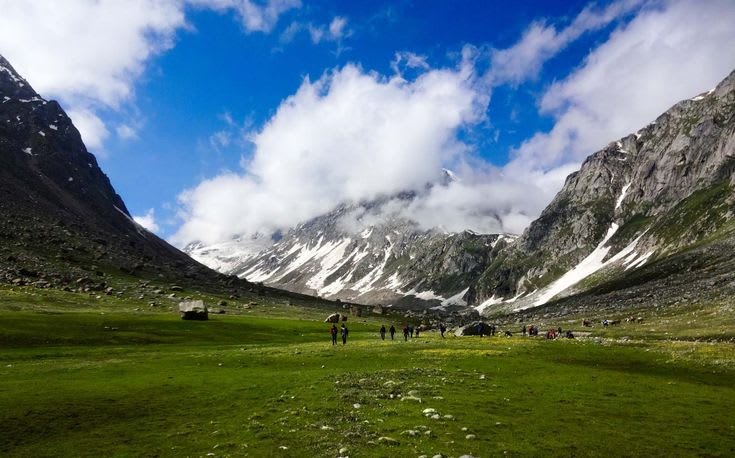
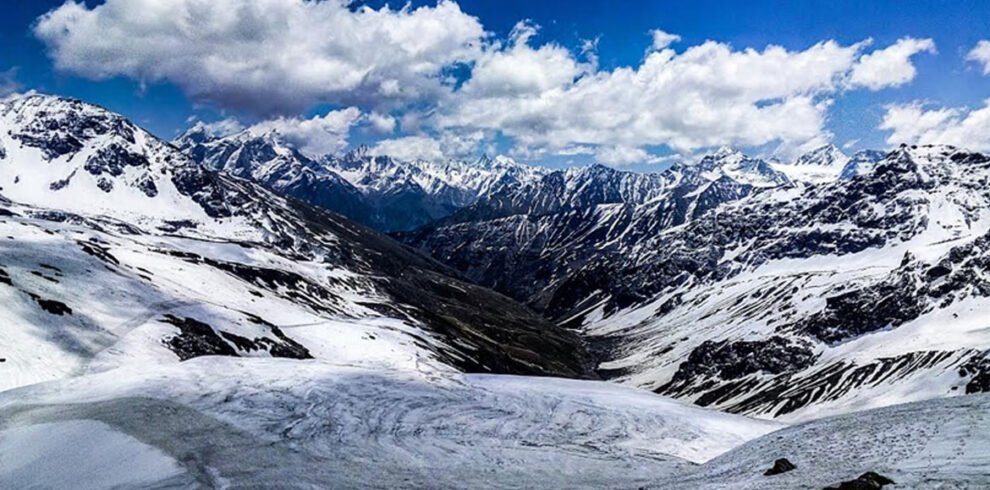
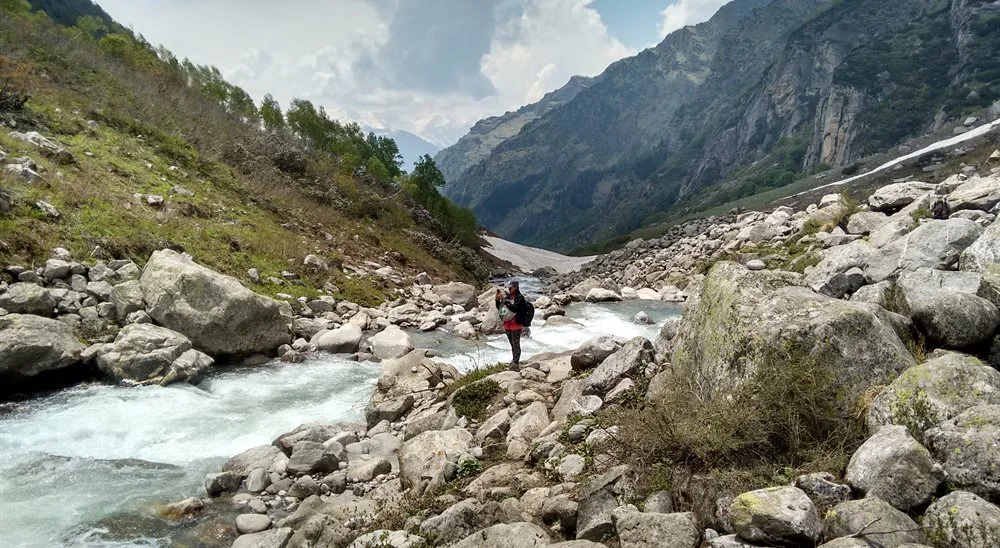
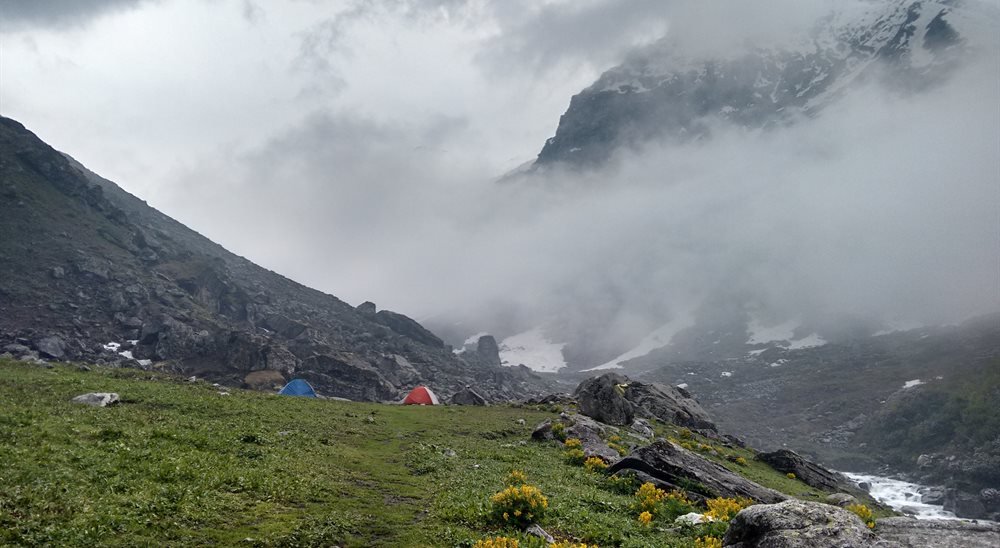
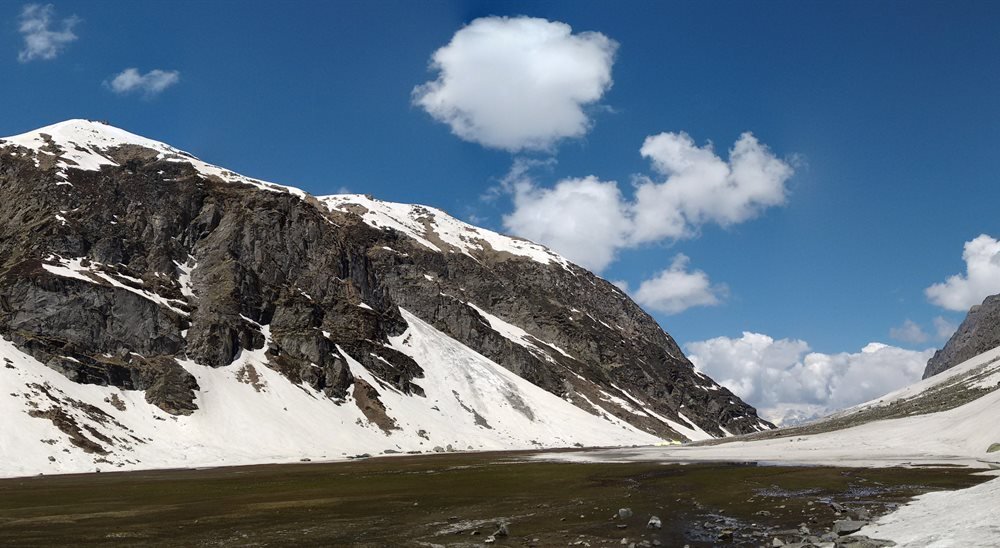
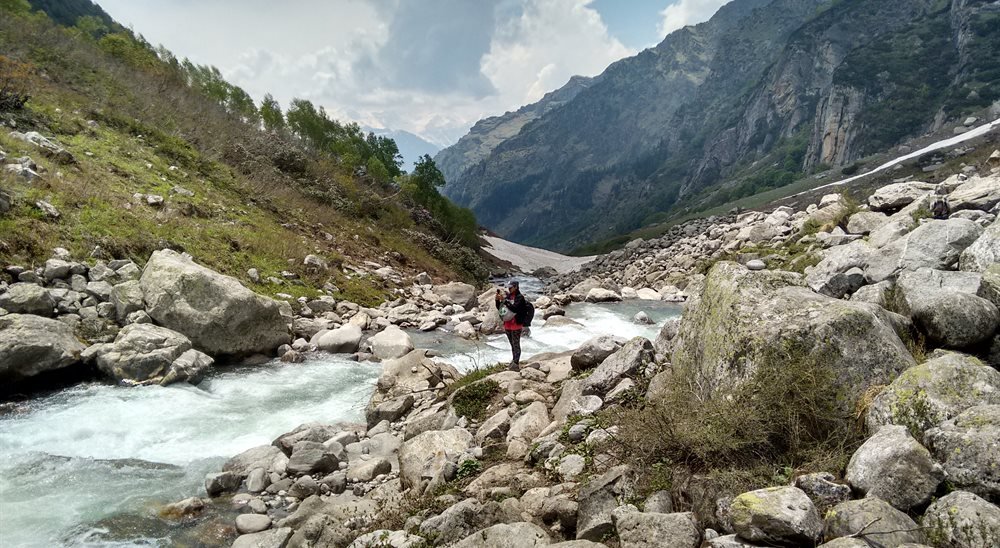
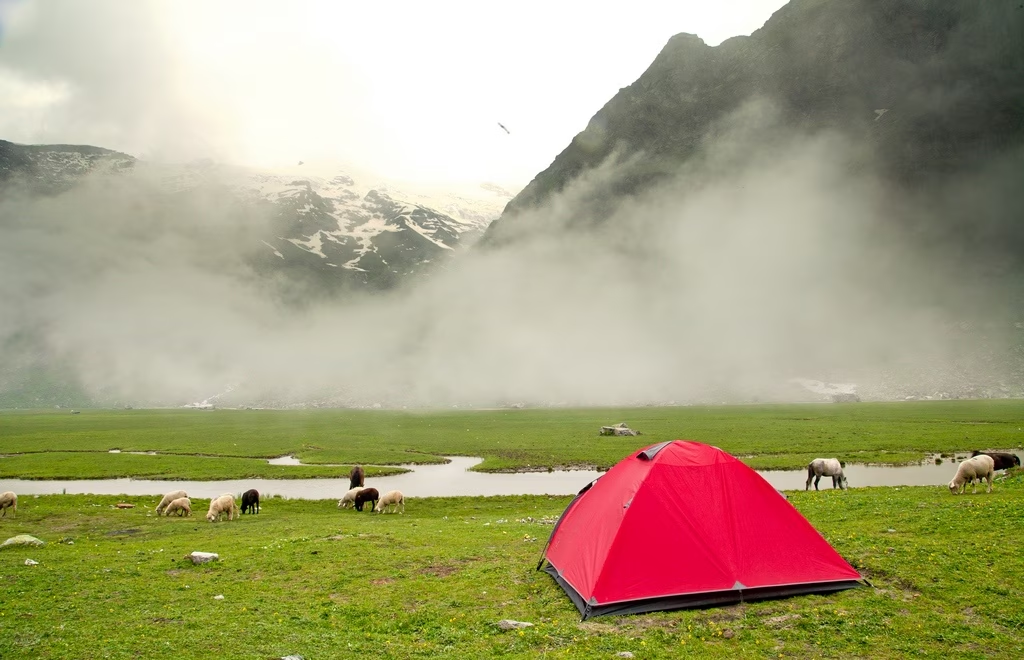
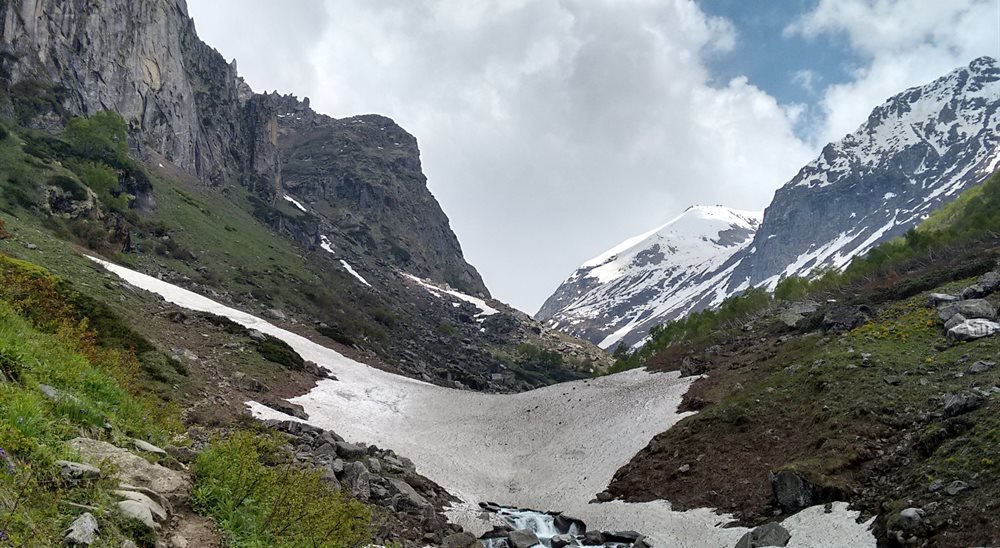
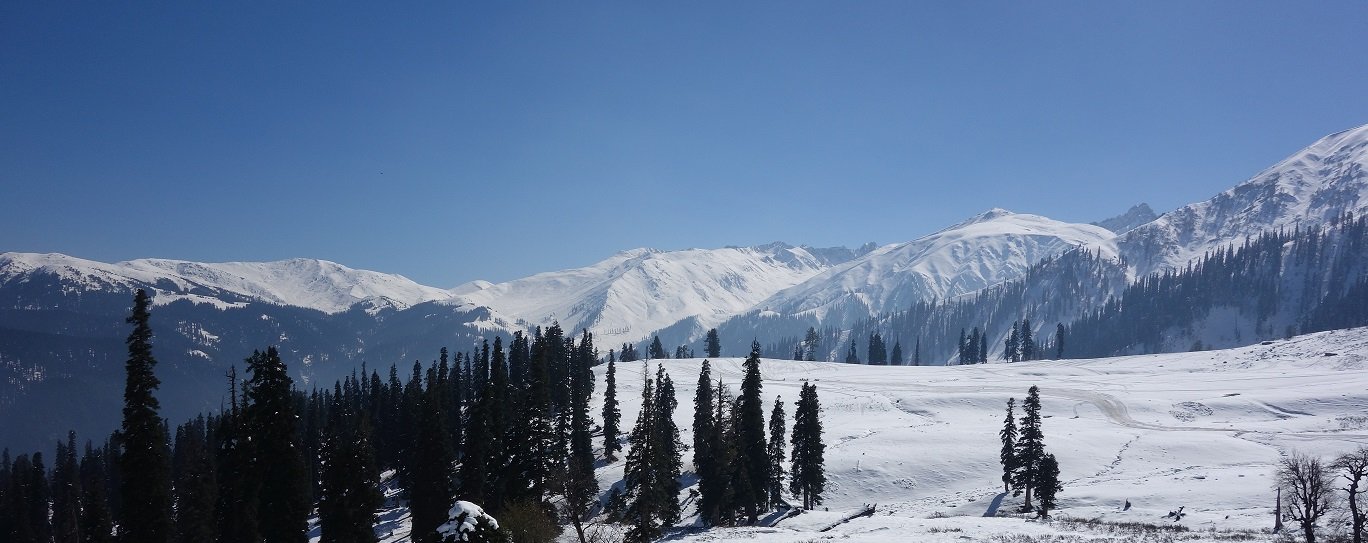
The Deo Tibba expedition is a perfect blend of thrill and beauty. Beginning from Manali, the route passes through Jagatsukh village, serene forests of birch and pine, colorful alpine meadows, and vast glaciers that sparkle under the summer sun. Each campsite reveals a new shade of Himachal’s landscape — raw, untouched, and breathtaking.
Why Choose Deo Tibba Peak Expedition?
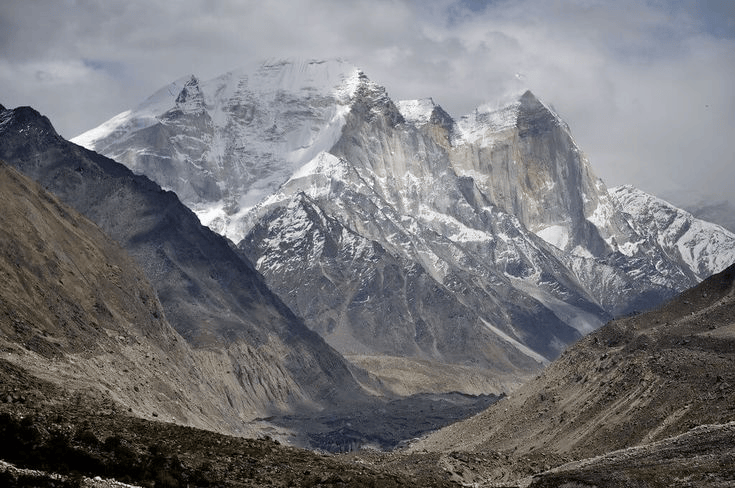
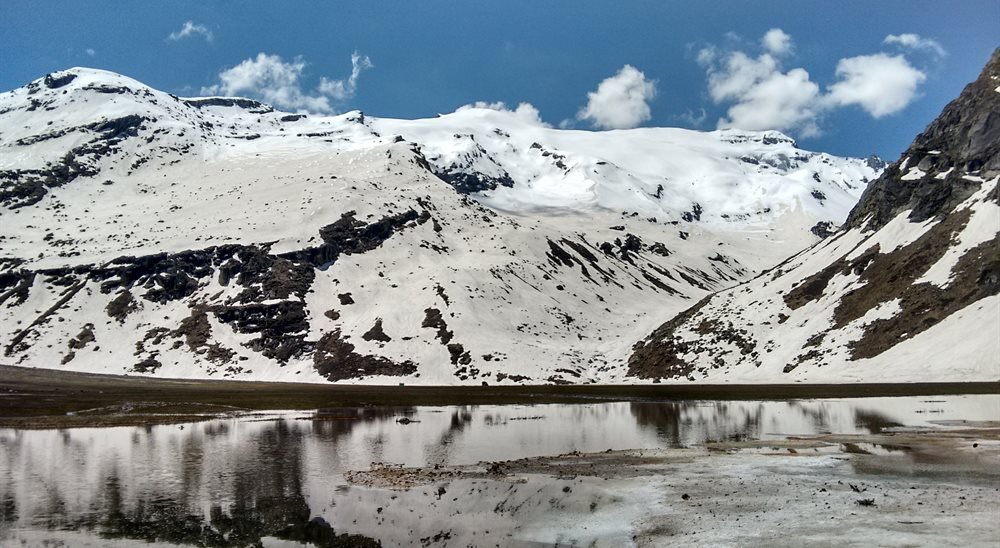
Unlike pointed Himalayan peaks, Deo Tibba’s summit features a massive snow dome — a surreal sight for trekkers and climbers alike. The trail not only challenges your endurance but also rewards you with panoramic views of Mt. Indrasan, Norbu Peak, and Jagatsukh Peak. It’s one of those rare climbs where beauty and challenge walk hand in hand.
Trek Details
- Days: 13 Days of adventure
- Base Camp: Manali
- Altitude: 19,700 ft
- Distance: 60 km approx
- Grade: Challenging (for experienced trekkers)
- Best Season: Summer & Monsoon (June)
- Stay: Twin sharing tents & Guesthouses
- Nearest Rail Head: Chandigarh
- Nearest Airport: Bhuntar, 52 km from Manali
Highlights
- Climb one of the most beautiful snow peaks in Himachal Pradesh.
- Witness the grandeur of Deo Tibba’s ice dome and glaciers.
- Traverse scenic landscapes — from lush valleys to alpine meadows.
- Experience the challenge of real mountaineering using ropes, crampons, and ice axes.
- Perfect for seasoned trekkers ready to push their limits.
Important Information
- 5% GST applicable on Trek Cost and Add-ons.
- Services from Manali to Manali.
- Virtual Pre-Expedition Briefing for all participants.
- Professional Guides, Safety Equipment, and Medical Support available throughout the expedition.
The Deo Tibba Peak Expedition is not just a climb — it’s a story of courage, patience, and awe. With Xplore The Dreams, you get a certified and experienced team ensuring safety, preparation, and lifetime memories from one of the most iconic summits in India.
Deo Tibba Peak Expedition Itinerary
Altitude: 2,050 m / 6,750 ft.
Arrive at Manali and check in at your hotel (CP Plan, twin/triple sharing).
Meet the Xplore The Dreams team and get a trek briefing in the evening.
Altitude: 3,100 m / 10,200 ft.
Drive: 15 km (1 hr) | Trek: 5 km (2–3 hrs)
Drive to Jagatsukh and start your trek to Chhikka through alpine meadows and dense forest.
Overnight camping near a river with beautiful mountain views.
Altitude: 3,850 m / 12,600 ft.
Trek Distance: 8 km | Duration: 5–6 hrs
Follow the trail along the Jagatsukh River through birch and rhododendron forests to reach Seri.
Altitude: 4,500 m / 14,800 ft.
Trek Distance: 8 km | Duration: 5–7 hrs
Cross moraines and streams before reaching the Deo Tibba Base Camp surrounded by towering peaks.
A mandatory acclimatization day at high altitude.
Spend time exploring the base camp area and preparing for the climb ahead.
Altitude: 5,100 m / 16,800 ft.
Trek Duration: 4–5 hrs.
Carry equipment and supplies to Camp 1 and return to Base Camp for the night.
Altitude: 5,100 m / 16,800 ft.
Trek Duration: 5–6 hrs.
Shift to Camp 1 permanently and prepare for summit approach.
Altitude: 5,600 m / 18,400 ft.
Trek Distance: 4 km | Duration: 4–5 hrs.
Carry essential climbing gear and food to Summit Camp, then return to Camp 1.
Altitude: 5,600 m / 18,400 ft.
Altitude gain: 500 m / 1,600 ft.
Set up camp closer to the summit zone; rest and prepare for summit day.
Altitude: 6,000 m / 19,700 ft.
Trek Distance: 6 km | Duration: 4–6 hrs.
Early morning climb to Deo Tibba Summit using ropes and ice axes.
Enjoy panoramic views from the top and descend safely to Camp 1.
Altitude: 4,500 m / 14,800 ft.
Trek Duration: 3–4 hrs.
Descend through glacial moraines to reach Base Camp and rest.
Altitude: 3,100 m / 10,200 ft.
Trek Distance: 16 km | Duration: 6–8 hrs.
Return journey through alpine meadows with evening campsite at Chhikka.
Altitude: 2,050 m / 6,750 ft.
Trek Distance: 5 km | Duration: 2–3 hrs.
Final trek back to road head and drive to Manali for closing ceremony.
Deo Tibba Peak Expedition Cost Details
- Accommodation: Guest houses on Day 1 (twin/triple sharing), camping during the trek (Day 2 to Day 12).
- Meals: All vegetarian + egg meals from Day 2 lunch to Day 13 lunch.
- Transportation: Manali to Khanaul (Day 2) and Khanaul to Manali (Day 13).
- Support Team:
- Experienced Expedition Leader (Mountaineering & First Aid qualified)
- Base camp manager for coordination
- High altitude chef & local guides (as per group size)
- Support staff for logistics
- Trek Equipment: Sleeping bags, liners, mattresses, tents, kitchen & toilet tents, walkie-talkies, ropes, helmets, ice axes, harness, climbing boots, gaiters & crampons.
- First Aid & Medical Support: Medical kit, oxygen cylinder, stretcher, BP monitor, oximeter, stethoscope.
- Cloakroom service at base camp.
- Mules/porters for central luggage.
- All necessary permits and entry fees (for Indian participants).
- Services from Manali to Manali.
- Trek completion certificate.
- Insurance (For non-Indian Nationals, NRI, or OCI card holders).
- Food during transit.
- Any personal expenses (laundry, tips, snacks, etc.).
- Mule or porter for personal luggage.
- Emergency evacuation or hospitalization charges.
- Additional costs due to itinerary changes, weather, or roadblocks.
- Transportation from Rishikesh to Sari & Baniyakund to Rishikesh (if not booked).
- Anything not specifically mentioned under “Inclusions”.
Available on Demand (Extra Cost):
- Satellite Phone: Enables communication via orbiting satellites even in remote areas.
- Gamow/PAC HAPO Bag: Portable hyperbaric chamber for treating high-altitude sickness (AMS).
- AED (Automated External Defibrillator): Life-saving device for sudden cardiac arrest.
Frequently Asked Questions
The Deo Tibba Peak Expedition typically lasts for 13 days, covering the journey from Manali to the summit and back. This includes acclimatization, trekking, and summit attempts.
The best time to undertake this expedition is during the summer and monsoon months — June to September — when weather conditions are stable and trails are clear.
The expedition is rated as Challenging. It requires technical climbing knowledge, prior high-altitude trekking experience, and excellent physical fitness.
The route starts from Manali → Jagatsukh → Chikka → Seri → Tenta → Deo Tibba Base Camp → Summit → back to Base Camp → Manali. The expedition covers around 60 km in total.
Carry warm layered clothing, sturdy trekking boots, gloves, thermals, rain gear, sunglasses, sunscreen, a backpack, personal medicines, and technical equipment like crampons and ice axe if not provided.
The expedition reaches an altitude of 19,700 feet (6,001 meters) from Manali, which lies at approximately 6,700 feet, resulting in a gain of around 13,000 feet.
The cost generally ranges between ₹45,000 and ₹65,000 per person, depending on group size, inclusions, and season. Contact Xplore The Dreams (XTD) for customized group rates.
Yes, it is safe when guided by experienced mountaineers and supported by proper safety gear. Xplore The Dreams ensures all participants are equipped and supported by trained guides and oxygen backup.
Yes, special mountaineering permits and forest permissions are required for this expedition. These are arranged by Xplore The Dreams before the trek begins.
Typically, participants between 18 to 55 years join the Deo Tibba Expedition. However, physically fit individuals beyond this range can also participate with a medical fitness certificate.
What to Pack for the Deo Tibba Peak Expedition
Headgear is essential to protect your head and face from sun, wind, and dust during the expedition. These keep you comfortable and safe throughout your climb.
- Headlamp: Crucial for trekking at night. Keeps your hands free and lights the path.
- Hat or Cap: Protects from harsh sunlight during the day and provides warmth at night. Choose one with a strap to prevent it from flying away.
- Sunglasses: UV-protected lenses safeguard your eyes from snow glare and harmful rays.
- Buff / Balaclava: Shields your face and neck from cold and wind. Can also be used as a mask or headband.
Layering is key at high altitudes. It helps regulate body temperature and offers flexibility as conditions change quickly in the Himalayas.
- Spring/Summer/Monsoon: Woollen sweater, fleece, and padded jacket (3 layers).
- Autumn: Add one more fleece (4 layers total).
- Winter: Thermal + Woollen sweater + 2 fleeces + Padded jacket (5 layers).
- T-shirts: Carry 3 moisture-wicking synthetic shirts.
- Trek Pants: 2–3 pairs of quick-dry synthetic pants.
- Jacket: Down or 2–3 layer waterproof jacket rated for -5°C to -10°C.
- Thermals: At least 2 pairs for warmth during night halts.
- Gloves: One insulated pair to protect hands from frostbite.
- Rainwear: Poncho or raincoat for unexpected showers; use a backpack rain cover if needed.
Proper footwear ensures comfort and safety on steep and rocky terrain.
- Trekking Shoes: Waterproof shoes with strong grip and ankle support.
- Sandals: Lightweight sandals for relaxing at campsites or crossing streams.
- Socks: Carry 3–4 pairs, including warm woollen ones for cold nights.
- Microspikes & Gaiters: Usually provided by organizers when required.
Carry your personal first aid kit — it’s better to be prepared for unexpected situations. Always consult your doctor before taking medicines.
- Antiseptic wipes, cotton, and bandages for cuts.
- Elastic bandages and sterile gauze pads for larger wounds.
- Latex gloves for handling injuries.
- Medicines for fever, headache, stomach issues, and pain relief.
- ORS sachets and quick pain relief spray.
- Altitude sickness tablets (like Diamox) — only on medical advice.
- Bug repellent and personal prescribed medication.
- Energy bars or electrolyte drinks for instant energy.
Carry essential gadgets and tools to stay connected and document your adventure efficiently.
- Trekking poles for balance and knee support.
- Mobile phone, camera, and spare batteries.
- Power bank, flashlight, and waterproof pouch for electronics.
- Plug adapter, 1L water bottle, journal, or small map book.
- Book or reading material for leisure time at camps.
Good hygiene is vital during long expeditions. Carry compact, eco-friendly items to stay clean and refreshed.
- Soap, shampoo, toothbrush, toothpaste, and deodorant.
- Wet wipes, sanitizer, and small towels (quick-dry preferred).
- Toilet paper and biodegradable sanitary products (for women).
- Sunscreen, lip balm, talcum powder, and moisturizer.
- Nail clipper and any personal items you use daily.